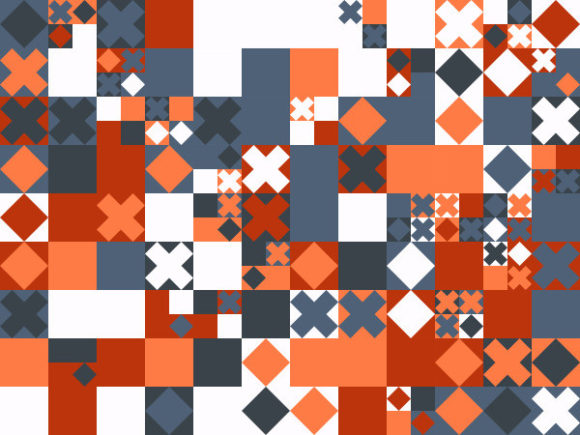
Decorative Ethnic Art Graphics for Print Templates
As a brand designer, I often look for graphic design assets that can elevate a small business's visual identity without overwhelming it. Decorative Ethnic Art is one such asset that offers a rich blend of art deco, modernism, and vintage aesthetics, making it ideal for local business branding and product packaging. Its versatility across print templates and digital graphics makes it a valuable addition to any creative toolkit.
The First Impression: Aesthetic and Brand Personality
When I first encountered Decorative Ethnic Art, its intricate patterns and layered textures immediately caught my eye. The design feels timeless, blending elements of traditional craftsmanship with modern sensibilities. It suggests a brand that values heritage, creativity, and artistic expression. This makes it particularly well-suited for handmade businesses, boutique stores, or food brands looking to convey authenticity and warmth.
The mood it creates is both elegant and inviting. It can be used to evoke a sense of luxury or nostalgia, depending on the color palette and application. For a bakery or a coffee shop, it adds a touch of sophistication, while for a seasonal product campaign, it brings a festive flair that resonates with customers.
Real-World Applications in Local Business Design
Decorative Ethnic Art is incredibly adaptable. In a real-world project, I’ve used similar designs for logo design, where the patterns were incorporated as subtle background elements to add depth without distracting from the main brand mark. It also works well in product labels, where its decorative nature can highlight key details like ingredients, usage instructions, or brand messaging.
For packaging design, this graphic design asset serves as an excellent accent. Whether it’s a sticker on a jar of handmade soap or a banner on a product box, it enhances the overall aesthetic while maintaining clarity. It’s also useful for printable design elements like thank-you cards, menu graphics, and promotional flyers, where a cohesive visual language is essential.
In social media graphics and website banners, Decorative Ethnic Art can act as a hero graphic that captures attention and reinforces brand personality. It pairs well with bold typography, creating a strong visual hierarchy that guides the viewer’s eye through the content.
Supporting Business Presentation and Customer Trust
One of the most significant benefits of using Decorative Ethnic Art is its ability to strengthen a brand’s first impression. A well-designed package or promotional material can make a lasting impact, especially in crowded markets. By incorporating this asset, small business owners can create more professional-looking packaging that stands out on the shelf.
It also contributes to better product recognition. Consistent use of decorative elements across different touchpoints—such as business cards, social media posts, and product mockups—helps build a stronger brand identity. This consistency fosters customer trust, as it signals reliability and attention to detail.
Moreover, the asset supports clearer visual hierarchy. When used strategically, it can guide the viewer’s focus toward key information, such as pricing, product features, or call-to-action text. This is especially important in editorial design and web design, where readability is crucial.
Where Decorative Ethnic Art Works Best
Decorative Ethnic Art shines in applications where it can serve as a decorative brand element. Product labels, for instance, benefit from its intricate details, which add a premium feel without cluttering the layout. It’s also effective in promotional banners and seasonal packaging, where it can enhance the theme and create a more immersive experience for customers.
For boutique visuals and social media campaign graphics, the asset provides a unique backdrop that aligns with the brand’s story. It can be used to create a cohesive look across multiple platforms, ensuring that every piece of marketing material reflects the same artistic vision.
Where to Use It Carefully
While Decorative Ethnic Art is highly versatile, there are situations where it may not be the best choice. In formal corporate branding, where simplicity and clarity are paramount, it could appear too ornate or distracting. Similarly, on very small labels or crowded product packaging, the details might get lost or become overwhelming.
It’s also important to avoid using it in areas where legal information or ingredient lists are present. These sections require high contrast and minimal decoration to ensure readability. Likewise, in low-contrast backgrounds or for luxury minimalist brands, the asset might compete with the intended clean aesthetic.
Practical Designer Notes for Real Projects
Before finalizing any design, I always recommend testing Decorative Ethnic Art on real packaging mockups. This helps visualize how it will look when printed and ensures it meets the desired quality standards. Checking black and white usage is also essential, as some patterns may lose their impact when converted to grayscale.
Previewing the asset on small labels is another critical step. If the details are too fine, they may not translate well at reduced sizes. Testing it with brand colors helps determine if the design complements the existing palette or needs adjustment.
Comparing it with competitor packaging can provide insight into how it stands out in the market. Reviewing PNG transparency and inspecting SVG or vector editability ensures that the design remains flexible for future modifications. It’s also wise to test it beside different font styles—serif, sans serif, script, handwritten, and display fonts—to see how they interact visually.
Finally, always confirm commercial licensing before using the asset for client work or physical product sales. This ensures that the design can be used without legal complications, which is especially important for small business branding and commercial design projects.