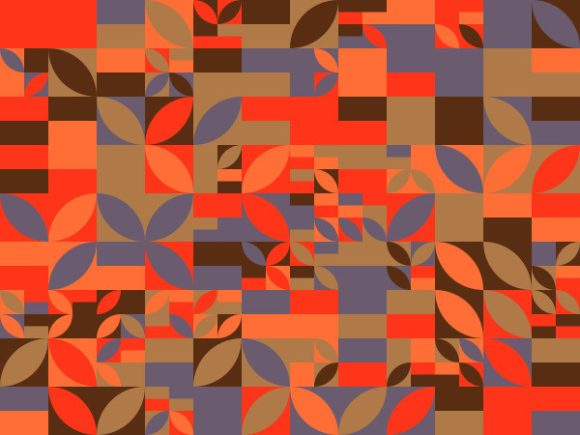
Decorative Aesthetic Art for Graphics and Print Templates
The First Impression: Aesthetic Meets Function
Decorative Aesthetic Art immediately catches the eye with its blend of art deco, modernism, and vintage influences. The design feels timeless, offering a visual language that’s both nostalgic and fresh. It creates a mood that leans toward creativity and sophistication, making it ideal for brands aiming to stand out without appearing cluttered or unprofessional.
Emotional Tone and Audience Perception
This graphic design asset brings an emotional tone that resonates with audiences looking for style and character. It’s well-suited for lifestyle content, handmade products, and event promotions. Its aesthetic can elevate casual branding while still fitting into premium visuals, making it versatile for a range of creative projects.
Real-World Applications in Branding and Marketing
Decorative Aesthetic Art shines in brand identity, logo design, and packaging design. It adds a unique flair to product labels and digital ads, helping to create a memorable first impression. Whether used in social media graphics, Instagram posts, or Pinterest pins, it enhances visual hierarchy without overwhelming the viewer.
Supporting Marketing Goals with Creative Design
By integrating Decorative Aesthetic Art into marketing visuals, brands can improve audience trust and recognition. It helps in creating a consistent brand image across multiple platforms, from email banners to editorial design. The asset also supports better product presentation, ensuring that every touchpoint reflects a professional and cohesive brand identity.
Where Decorative Aesthetic Art Excels
This design asset works best as a hero graphic, campaign header, or branded template. It’s perfect for product launch visuals, content bundles, and promotional banners. In editorial layouts and decorative brand elements, it adds a layer of sophistication that elevates the overall look of any project.
When to Use It with Caution
While Decorative Aesthetic Art is powerful, it may not be suitable for formal corporate branding or dense information layouts. It should be used carefully in small mobile graphics, low-contrast backgrounds, or text-heavy ads where it might compete with the main message. Overly minimal brands may find it too ornate, so balance is key.
Practical Tips for Brand Designers
Before using Decorative Aesthetic Art, test it with your brand color palette to ensure harmony. Check how it looks in black and white, and place it inside real campaign mockups to see its impact. Preview it on mobile screens and test readability at small sizes. Compare it against competitor visuals to maintain a unique edge.
Font Pairing and Visual Balance
Experiment with different font styles—serif, sans serif, script, handwritten, and display fonts—to find the right balance. Review spacing and alignment to ensure the design doesn’t feel crowded. A well-balanced layout allows the decorative elements to enhance, not distract from, the core message.
Commercial Licensing and Usage
Always confirm commercial licensing before using Decorative Aesthetic Art in paid campaigns, client work, or business branding. This ensures that you’re compliant and avoids potential legal issues. As a digital product, it’s ideal for Canva templates, printable designs, and design bundles that cater to content creators and small business owners.
Enhancing Content Marketing with Visual Hierarchy
Decorative Aesthetic Art can strengthen visual hierarchy in blog graphics, website headers, and lead magnets. It helps guide the viewer’s eye through the content, making it easier to absorb key messages. For content marketers, this design asset offers a way to create visually engaging material that stands out in a crowded digital space.
Why Decorative Aesthetic Art Matters for Small Business Branding
Small businesses can leverage Decorative Aesthetic Art to build a strong brand presence. Whether it’s for packaging inserts, event flyers, or merchandise, the asset provides a professional look that aligns with modern design trends. It’s a valuable tool for anyone looking to elevate their creative marketplace offerings.
Final Thoughts: A Versatile Graphic Design Asset
Decorative Aesthetic Art is more than just a design element—it’s a strategic tool for content creation and brand communication. Its ability to blend aesthetics with functionality makes it a must-have for designers, marketers, and small business owners. When used thoughtfully, it can transform campaign visuals into something truly memorable and impactful.