Decorative Calendar Art: Graphics and Print Templates for Creative Brands
The First Impression of Decorative Calendar Art
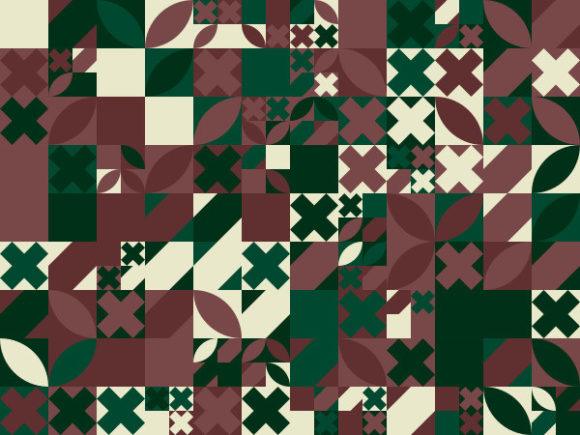
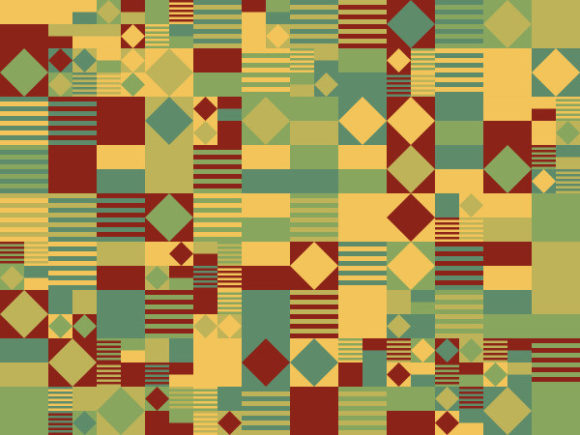
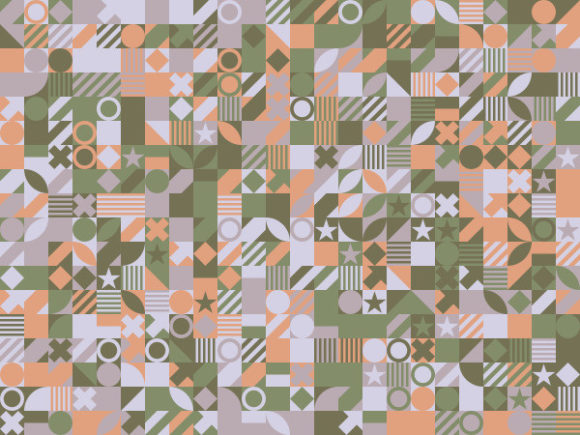
When you first encounter Decorative Calendar Art, it immediately evokes a sense of elegance and timelessness. The blend of art deco, modernism, vintage, and contemporary design elements creates a mood that feels both nostalgic and fresh. This design asset is ideal for brands aiming to create a visual identity that resonates with a wide audience, from lifestyle content creators to small business owners looking to elevate their marketing visuals.
How Decorative Calendar Art Influences Audience Perception
Decorative Calendar Art has the power to shape how an audience perceives a brand. Its intricate patterns and rich textures can convey a sense of luxury, creativity, or authenticity—depending on how it’s used. For a handmade product line, it adds a touch of artisanal charm. For a seasonal campaign, it brings a sense of occasion and celebration. The emotional tone it brings makes it a versatile tool for content marketers and brand designers seeking to connect with their target audience on a deeper level.
Real-World Applications of Decorative Calendar Art
In practical marketing scenarios, Decorative Calendar Art proves its value across multiple platforms. It can be used in brand identity projects to add a unique visual element to logos, packaging design, and product labels. As a social media graphic, it enhances Instagram posts, Pinterest pins, and Facebook ads by providing a striking background that captures attention without overwhelming the message.
- As a Canva template, it simplifies the design process for busy marketers.
- As a printable design, it supports lead magnets and email banners with a professional look.
- As a digital product, it fits into content kits and design bundles that help creative entrepreneurs streamline their workflow.
Supporting Marketing Goals with Decorative Calendar Art
Decorative Calendar Art can significantly enhance a brand’s marketing strategy. It helps create a stronger first impression by adding visual interest to campaign headers and hero graphics. It also improves visual hierarchy, ensuring that key messages stand out while maintaining a cohesive aesthetic. When used consistently, it builds audience trust and strengthens brand recognition, making it a valuable addition to any content marketing plan.
Where Decorative Calendar Art Excels in Design Work
This design asset shines in situations where visual appeal and brand storytelling are essential. It works well as a campaign header, product launch visual, or branded template that ties together different elements of a marketing strategy. In editorial design and web design, it adds depth and sophistication to layouts, while in packaging accents and merchandise, it reinforces brand identity through consistent visual elements.
Where to Use Decorative Calendar Art with Caution
While Decorative Calendar Art is powerful, it’s not suitable for every design context. In formal corporate branding, its ornate details may clash with a minimalist approach. In dense information layouts or small mobile graphics, it can become distracting. Similarly, on low-contrast backgrounds or in text-heavy ads, it may compete with the main message rather than support it. It’s important to consider the brand’s voice and the platform’s requirements before incorporating this asset.
Practical Brand Designer Notes on Decorative Calendar Art
Before finalizing Decorative Calendar Art for a project, test it with your brand’s color palette to ensure it complements existing visuals. Check how it looks in black and white and preview it on mobile screens to confirm readability at smaller sizes. Place it inside real campaign mockups to see how it interacts with other design elements. Compare it against competitor visuals to maintain a unique edge in the market.
Consider how it pairs with different font styles—serif, sans serif, script, or display fonts—and review spacing and balance to avoid clutter. Always verify the commercial license before using it in paid campaigns, client work, or business branding to ensure legal compliance.
Why Decorative Calendar Art is a Strong Design Asset
For small business branding, Decorative Calendar Art offers a way to create visually appealing marketing materials without the need for extensive design skills. As a graphic design asset, it provides flexibility and scalability, making it ideal for digital product creators and content marketers. Its versatility allows it to fit into a wide range of creative projects, from editorial layouts to event flyers and promotional banners.
Final Thoughts on Decorative Calendar Art
Decorative Calendar Art is more than just a decorative element—it’s a strategic tool that can elevate a brand’s visual presence. Whether used in print templates, digital ads, or social media graphics, it supports content that attracts attention while maintaining a professional appearance. For creative entrepreneurs and content marketers, it’s a valuable addition to any design toolkit, offering both aesthetic appeal and functional utility in a variety of marketing contexts.