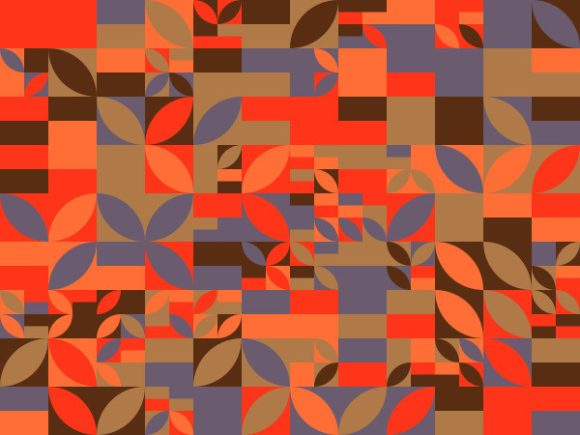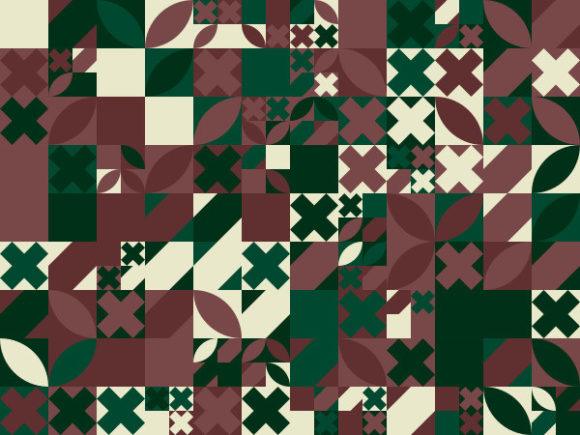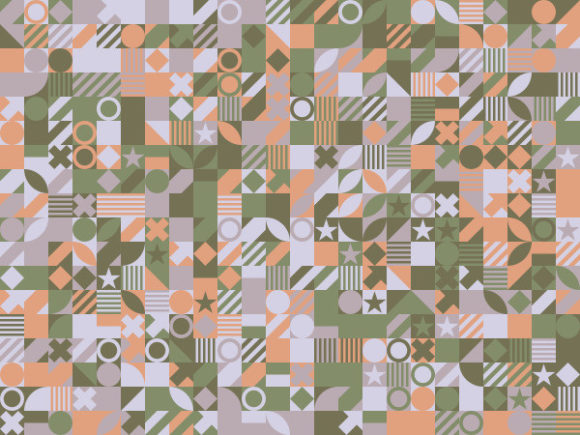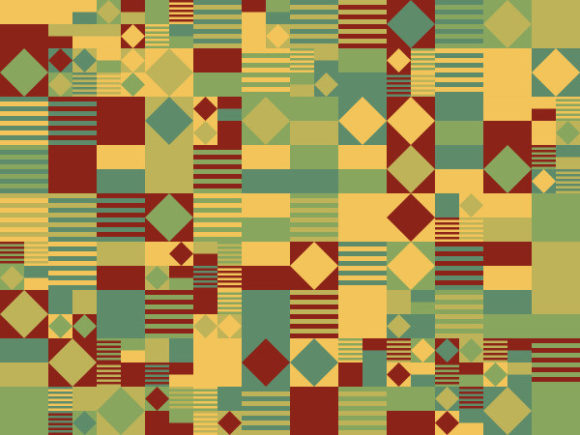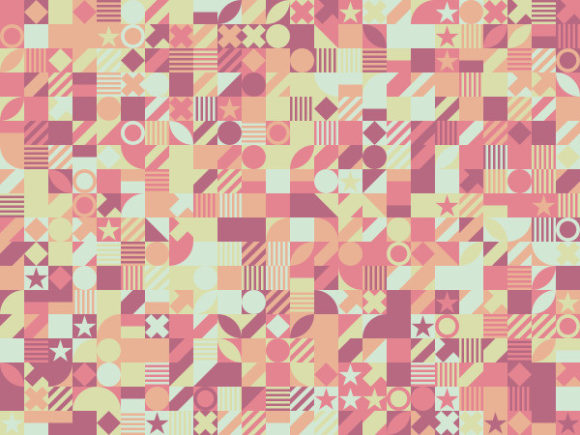
Decorative Artistic Art Graphics and Print Templates
As a seasoned blog designer and digital publisher, I've come across countless graphic design assets, but Decorative Artistic Art stands out for its versatility and editorial quality. This collection of digital papers blends the elegance of art deco, the boldness of modernism, and the charm of vintage design into a timeless aesthetic that feels both fresh and familiar.
First Impressions: A Visual Mood Setter
Upon first glance, Decorative Artistic Art evokes a sense of sophistication and creativity. The intricate patterns and rich textures suggest a lifestyle-focused or artistic niche, making it ideal for content that aims to inspire or elevate the reader’s experience. It feels right at home in editorial design, where visual storytelling is key, and can easily support content that leans into fashion, interior design, or creative entrepreneurship.
The design asset doesn’t feel overly playful or too serious—it strikes a balance that works well for a wide range of content types. Whether you're creating a digital guide, a lead magnet, or a downloadable printable, Decorative Artistic Art adds a layer of polish that elevates the overall presentation.
Real-World Publishing Applications
For bloggers and content creators, Decorative Artistic Art offers endless possibilities. It can be used as a blog graphics backdrop, a Pinterest pin design, or an article header that captures attention. Its scalability via SVG files makes it easy to adapt for different sizes and resolutions without losing quality.
Imagine using it as a website header for a new blog post or as a background for a newsletter banner. The asset also works well as a Canva template, allowing users to quickly create professional-looking social media graphics or digital ads. For affiliate marketers, this could be a powerful tool for creating visually compelling content that drives clicks and engagement.
In the realm of content marketing, Decorative Artistic Art supports stronger first impressions. A well-designed featured image or thumbnail can significantly improve click-through rates, and this asset provides a strong foundation for that. It helps establish a clear visual hierarchy, guiding readers through the content with style and purpose.
Supporting Content Performance
One of the most valuable aspects of Decorative Artistic Art is how it enhances content performance. Its elegant design contributes to a more consistent brand identity, which in turn builds reader trust. When your content looks professional, it signals that your information is reliable and well-crafted.
This asset also improves category recognition. If you're running a blog with multiple sections or niches, using a cohesive design element like Decorative Artistic Art can help readers navigate your site more intuitively. It strengthens your visual identity, making your brand more memorable and recognizable.
For small business branding, this graphic design asset can serve as a cornerstone of your digital presence. Whether you're creating a media kit, a downloadable resource, or a print template, Decorative Artistic Art ensures your visuals align with your brand's message and values.
Where It Works Best
Decorative Artistic Art shines in hero images, article thumbnails, and Pinterest pins. These are the first points of contact for many readers, and a strong visual can make all the difference in capturing their attention. It also works well as an editorial accent in blog layouts, adding depth and interest without overwhelming the content.
For content upgrades and lead magnets, this asset can be used to create eye-catching downloadable resources that encourage sign-ups. As a digital guide or eBook cover, it adds a touch of professionalism that makes your product stand out in a crowded creative marketplace.
Where to Use It Carefully
While Decorative Artistic Art is highly versatile, there are situations where it may not be the best choice. On small mobile thumbnails, the intricate details might get lost, so it's important to test it on different screen sizes. In text-heavy blog images, the design could distract from the message, so use it sparingly.
It may not fit well in low-contrast backgrounds or busy layouts, where it could clash with other elements. For serious professional niches or corporate content, a more minimalist approach might be preferable. Always consider the tone and audience of your content before incorporating this asset.
Publisher Notes: Practical Tips for Success
Before finalizing any use of Decorative Artistic Art, test it on both desktop and mobile screens. Check how it looks as a thumbnail, preview it inside a real blog layout, and ensure it works well with headline text. Pay attention to contrast and readability—sometimes a subtle design can be more effective than a bold one.
Try it in black and white to see if it still holds up. Place it beside different font styles—serif, sans serif, script, handwritten, and display—to find the best combination. Review file size for web performance, and compress images properly to maintain fast load times.
Finally, confirm commercial licensing before using it on monetized websites, affiliate pages, or paid content products. Ensure that the asset aligns with your brand’s visual system and that it supports your content marketing goals effectively.
Conclusion: A Valuable Addition to Your Design Toolkit
Decorative Artistic Art is more than just a graphic design asset—it's a tool that can enhance your editorial design, improve your web design, and elevate your content marketing efforts. Whether you're creating blog graphics, social media graphics, or digital guides, this asset offers a level of creative design that can make your work stand out.
For publishers and designers looking to add a touch of sophistication to their projects, Decorative Artistic Art is a smart choice. With its timeless appeal and practical applications, it’s a valuable addition to any creative marketplace toolkit.