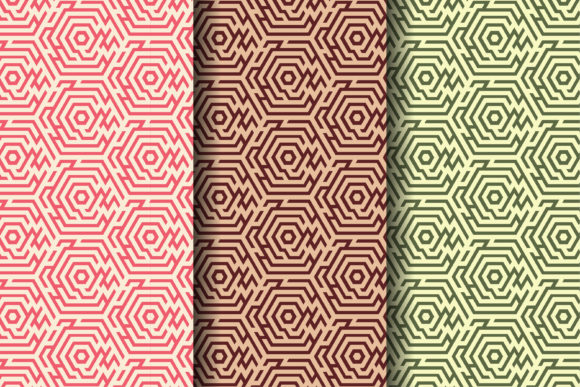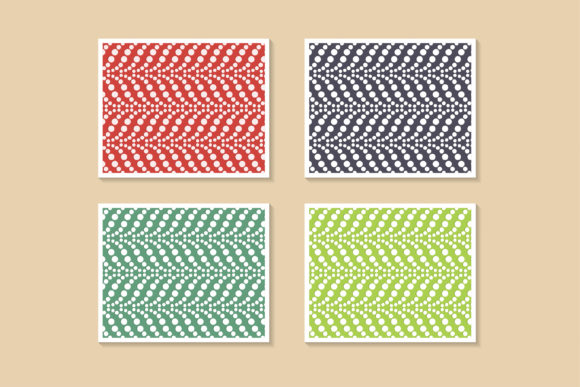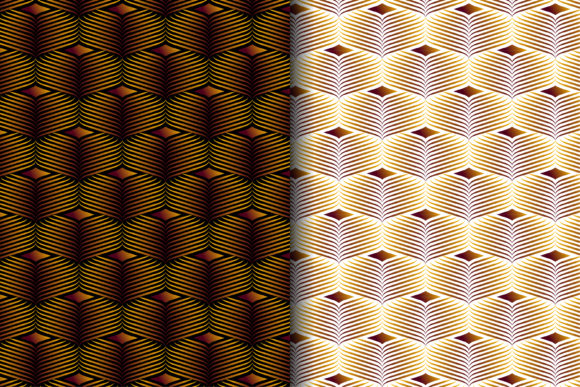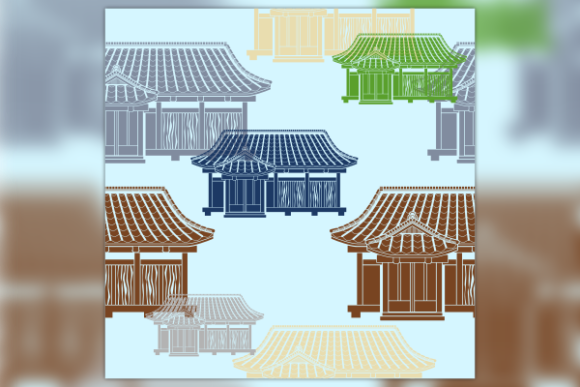
Traditional Japanese House Pattern Graphics and Patterns
As a digital product creator with years of experience in online selling, I always look for design assets that offer versatility, visual appeal, and commercial potential. The Traditional Japanese House Pattern is one such graphic design asset that caught my attention. It’s an editable SVG vector of a flat monochrome style front view traditional Japanese house vector illustration in various colors as a seamless pattern. This makes it ideal for a wide range of creative applications, from printable designs to commercial use.
First Impressions and Niche Appeal
The Traditional Japanese House Pattern exudes a calm, minimalist aesthetic that feels both elegant and timeless. Its flat, monochrome style gives it a modern edge while still retaining the cultural charm of traditional Japanese architecture. This makes it appealing to buyers who are looking for something that feels handmade yet professional. It could attract a niche audience interested in Japanese culture, nature-inspired design, or rustic, cozy themes.
The design has a subtle, decorative quality that works well in both playful and sophisticated contexts. Depending on the color choices, it can feel cute, festive, or even premium. For example, using warm earth tones might give it a rustic feel, while cooler blues or greens could make it feel more serene and modern.
Real-World Applications for Digital Sellers
This graphic design asset has a lot of potential across different product types. As an SVG design, it can be used for Cricut projects, Canva templates, and digital paper packs. As a PNG design, it works well for t-shirt graphics, mug designs, and tote bag prints. The seamless pattern aspect also makes it great for creating background elements in greeting cards, invitation templates, and planner stickers.
For print-on-demand sellers, the Traditional Japanese House Pattern can be incorporated into sublimation designs, sticker designs, and wall art. It also works well in seasonal bundles, such as winter or spring-themed collections. When paired with other design elements, it can help create cohesive brand identities or visual hierarchies that resonate with specific audiences.
Enhancing Product Presentation
One of the biggest advantages of the Traditional Japanese House Pattern is its ability to elevate product presentation. Whether you’re listing an Etsy product or creating a digital download, this design can serve as a strong visual element in mockups, thumbnails, and listing images. Its clean lines and simple shapes make it easy to work with, especially when creating product bundles or themed collections.
It also supports visual storytelling, which is crucial for building customer trust and increasing click-through rates. A well-designed thumbnail featuring this pattern can stand out in crowded marketplaces, making it more likely to be clicked on and purchased. Additionally, using it consistently across different products helps reinforce brand identity and perceived value.
Best Use Cases for the Asset
The Traditional Japanese House Pattern shines in large product previews, where its details can be fully appreciated. It’s also excellent for themed bundles, such as nursery prints, seasonal decorations, or travel-themed merchandise. In decorative layouts, it adds a touch of elegance without overwhelming the overall design.
For digital downloads, it’s a great addition to clipart collections, Canva templates, and printable wall art. It can also be used in social media graphics, packaging design, and promotional visuals. Its versatility makes it a valuable asset for small business branding and handmade businesses looking to add unique, culturally inspired elements to their offerings.
When to Use It Carefully
While the Traditional Japanese House Pattern is highly versatile, there are some situations where it may not be the best choice. For example, it might not work well as tiny sticker details, where the level of detail could get lost. Overly complex layouts may also dilute its impact, making it less effective as a focal point.
Low-resolution print products could show imperfections, so it’s important to verify file resolution before selling. On dark backgrounds, the contrast might be too weak, and text-heavy templates could clash with the design. If you're planning to use it for Cricut or Silhouette projects, ensure that the SVG cut quality is clean and precise.
Practical Seller Notes
Before publishing any product featuring the Traditional Japanese House Pattern, I recommend testing it on real mockups. Preview it as a marketplace thumbnail to see how it looks at different sizes. Check how it appears on both white and dark backgrounds, and test print colors to ensure accuracy. Verify PNG transparency and inspect SVG cut quality if needed.
Organize your files clearly for customers, and consider pairing the design with different font styles—serif, sans serif, script, handwritten, or display fonts—to expand its usability. Always confirm the commercial license to ensure you can sell finished products without legal issues.
Conclusion: A Versatile Addition to Your Design Library
The Traditional Japanese House Pattern is a solid graphic design asset that offers a range of possibilities for digital product creators. Whether you're selling on Etsy, Creative Fabrica, or a print-on-demand platform, this design can help enhance your product listings and attract a wider audience. With careful testing and thoughtful application, it can become a valuable part of your creative marketplace offerings.